Choosing Between Powdered Peptides and Prepared Research Solutions
Understanding the Two Formats for Laboratory Peptides
Researchers working with laboratory peptides often face a practical decision early in their workflow: whether to acquire peptides as lyophilized (freeze-dried) powders or as pre-dissolved solutions. Each format has distinct handling requirements, stability profiles, and implications for experimental consistency. The right choice depends on the nature of the study, the equipment available, and the researcher's own experience with peptide reconstitution.
Powdered peptides are the traditional form in which most custom syntheses are delivered. They arrive in sealed vials, often under an inert gas, and remain chemically stable for extended periods when stored properly. Prepared research solutions, on the other hand, are peptides already dissolved in a solvent such as sterile water, buffer, or DMSO. These are ready to use immediately but typically have a shorter shelf life and stricter storage demands.
Handling and Storage Considerations
Lyophilized peptides are remarkably stable when kept dry and cool. The main threats are moisture, repeated freeze-thaw cycles, and light exposure. A desiccant inside the vial cap helps, but once the vial is opened, the powder begins to absorb ambient humidity. For long-term storage, freezer storage at -20°C or below is standard, and some researchers prefer -80°C for especially sensitive sequences. The key is to minimize the number of times the vial is warmed to room temperature.
Prepared solutions eliminate the reconstitution step but introduce new variables. Once a peptide is in solution, chemical degradation proceeds faster, even under refrigeration. Hydrolysis, oxidation, and bacterial contamination become concerns. Solutions are best aliquoted into sterile vials immediately after preparation and stored at -20°C or lower. Repeated thawing of a single vial accelerates breakdown, so small single-use aliquots are strongly recommended.
Moisture and Light Sensitivity
Both formats are sensitive to moisture and light, but the risks differ. Powdered peptides can be ruined by a single moment of exposure to humid air if the vial is left open. Prepared solutions, being aqueous, are already in a wet environment, so the focus shifts to preventing microbial growth and chemical hydrolysis. Light sensitivity affects many peptides regardless of format; amber vials or foil wrapping can protect them during storage and handling.
Reconstitution: A Skill That Affects Results
Reconstituting a powdered peptide is not difficult, but it requires care. The solvent must be added slowly, often along the wall of the vial, and allowed to wet the powder before mixing. Gentle swirling or brief vortexing is usually recommended. Aggressive shaking can introduce air bubbles and may damage certain peptides. The choice of solvent matters: sterile water is common for soluble peptides, while some require dilute acetic acid or a small amount of organic solvent. Researchers must know the peptide's solubility characteristics or consult data from the supplier.
Prepared solutions remove this step entirely, which is a significant advantage in high-throughput settings where consistency across many samples is critical. A solution prepared by a reliable synthesis facility comes with a known concentration and verified purity, so the user can simply thaw and use it. However, the trade-off is that the solution may have a limited window of usability, and the researcher must trust that the supplier's storage and shipping conditions have been maintained throughout the cold chain.
When Each Format Makes Sense
Powdered peptides are ideal for long-term projects where the same sequence will be used over many months. A researcher can store a large batch as powder and reconstitute only what is needed each week. This approach minimizes waste and keeps the bulk of the material in its most stable form. It also allows the user to control the final concentration and solvent composition precisely.
Prepared research solutions suit experiments that require immediate use of a high-purity peptide at a precise concentration. They are common in clinical research, cell-based assays, and time-sensitive work where reconstitution errors could compromise results. They also save time when multiple different peptides must be tested in parallel, as no weighing or dissolving step is needed.
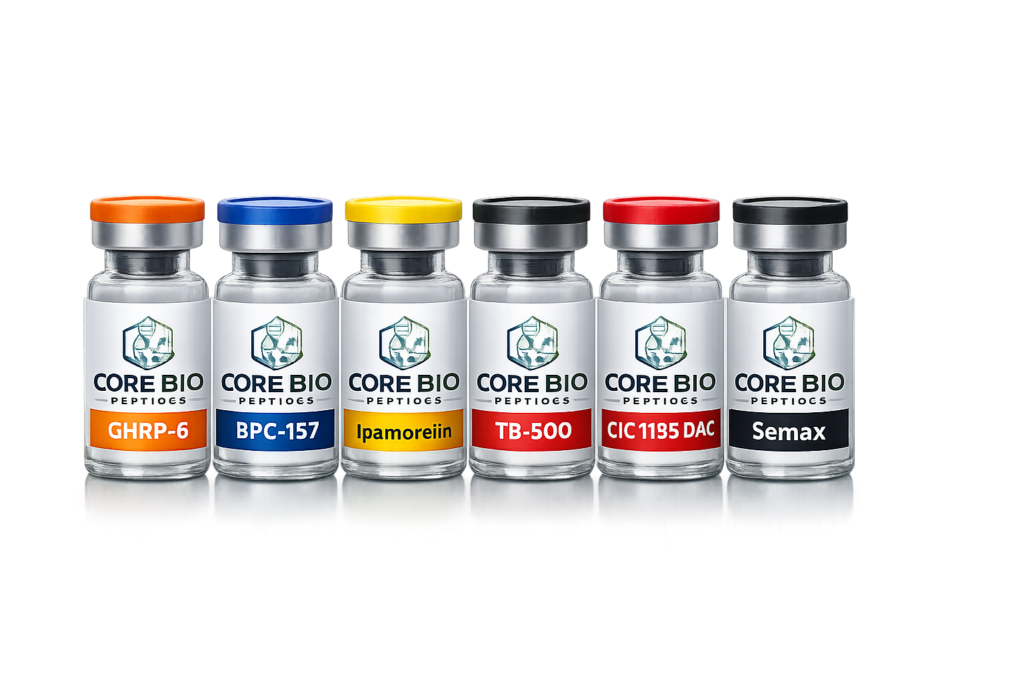
An intermediate option exists: some laboratories order powdered peptides and then prepare their own stock solutions in-house, aliquoting them for subsequent experiments. This combines the stability of powder with the convenience of ready-to-use aliquots, but it places the responsibility for accurate handling on the lab team.
Quality and Traceability
Regardless of the format chosen, the quality of the starting material matters enormously. High-purity peptides, whether supplied as powder or solution, should come with a certificate of analysis showing HPLC and mass spectrometry data. The supplier's reputation for consistency and batch testing is a key factor. Shanghai Synthetic Peptides Bio, for example, provides high-purity research peptides with accompanying batch testing documentation, which helps researchers verify the identity and purity of each lot.
For prepared solutions, traceability extends to the solvent used, the concentration confirmation method, and the storage conditions during shipping. A solution that has been exposed to temperatures above -20°C for extended periods may have degraded before it even reaches the lab. Researchers should ask about the cold chain documentation and whether the solution was shipped on dry ice with a temperature logger.
Practical Tips for Working with Both Formats
- Store powdered peptides in a freezer with a desiccant pack inside a sealed container. Avoid opening the vial until it has warmed to room temperature to prevent condensation.
- For prepared solutions, aliquots of 10-50 µL are typical for single-use experiments. Label each aliquot with the peptide name, concentration, date, and number of freeze-thaw cycles.
- When reconstituting powder, let the solvent run down the side of the vial and allow the peptide to wet for 30-60 seconds before gentle mixing. Do not vortex at high speed.
- If using a solution that contains DMSO, be aware that DMSO can affect cell membranes and may interfere with certain assays. Always check the solvent's compatibility with your experimental system.
- Keep a log of every vial's opening date and the number of times it has been thawed. This simple habit prevents using degraded material.
Cost and Waste Considerations
While prices are not discussed here, the overall cost of using a peptide includes not just its purchase but also the labor, consumables, and potential waste associated with each format. Powdered peptides may seem more economical per milligram, but if reconstitution errors occur or if a vial is contaminated, the loss can be significant. Prepared solutions eliminate the reconstitution step but usually come at a premium, and any unused solution that expires must be discarded. Balancing these factors requires looking at the full experimental workflow.
Many laboratories maintain a mix of both formats. A core set of frequently used peptides might be kept as prepared stock solutions, while less common or long-term study peptides remain as powder. This hybrid approach gives flexibility without sacrificing stability.

Final Practical Guidance
For researchers new to working with laboratory peptides, starting with a prepared solution can reduce the number of variables and help build confidence. As experience grows, moving to powdered peptides offers greater control over storage and concentration. The key is to understand the specific requirements of the peptide sequence you are using: some peptides are notoriously difficult to dissolve or are prone to aggregation, while others are stable for years as a dry powder.
Shanghai Synthetic Peptides Bio supplies both forms to support diverse research needs, and their batch testing data helps researchers make informed choices. Ultimately, the decision between powder and solution comes down to the balance of stability, convenience, and precision that best fits the experiment at hand. By considering the storage capacity of the lab, the frequency of use, and the sensitivity of the peptide, researchers can select the format that will give the most reliable and reproducible results.